
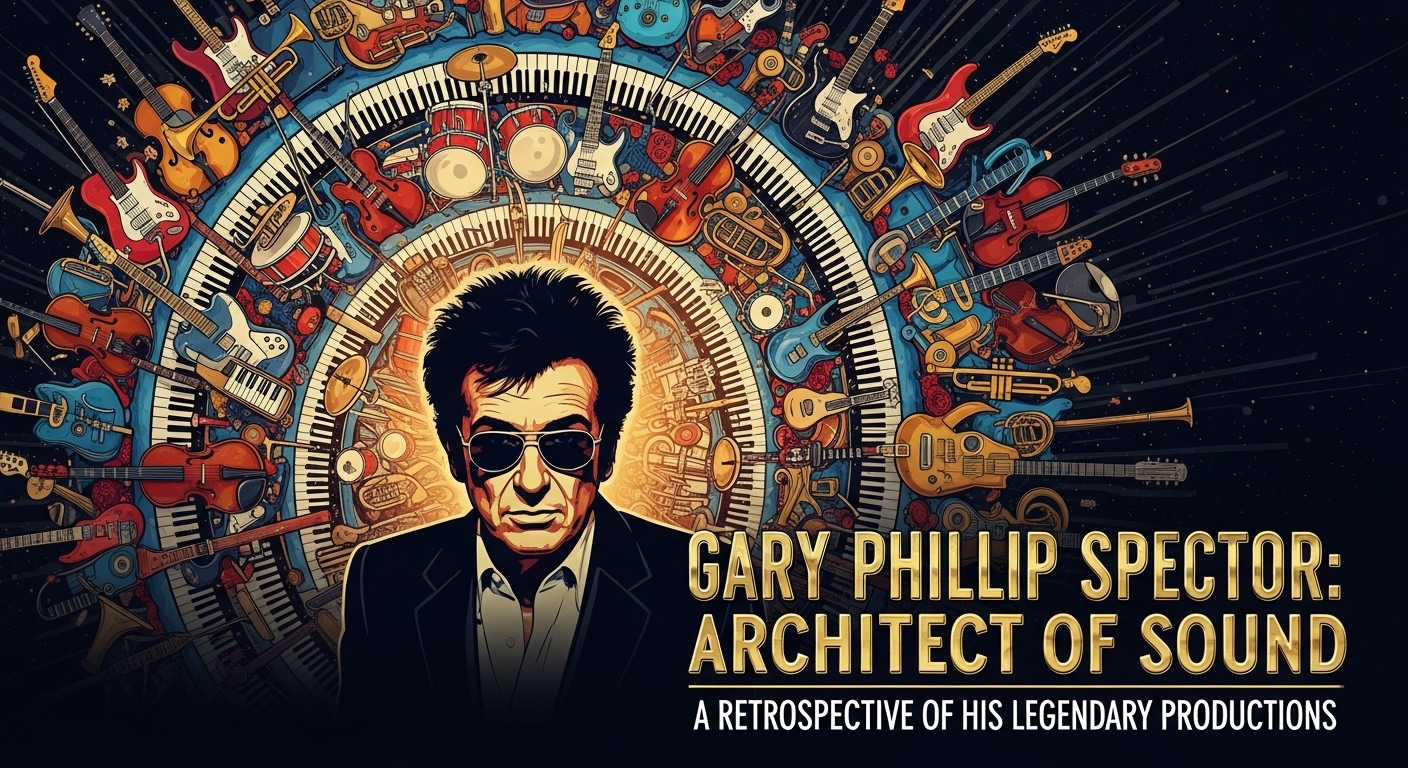
Gary Phillip Spector is remembered as one of the most influential and transformative figures in the history of modern music production. Known worldwide for inventing the revolutionary Wall of Sound, Gary Phillip Spector reshaped how popular music was recorded, mixed, and experienced. His innovative techniques left a permanent mark on rock, pop, and soul music, influencing generations of artists and producers long after his most active years in the studio.
This in-depth article explores the life, career, production style, and lasting legacy of Gary Phillip Spector, offering a complete and SEO-optimized overview of why his name continues to resonate in music history.
Early Life and Musical Beginnings
Gary Phillip Spector was born in the United States and showed an early interest in music that would later define his career. Growing up during a period when rock and roll was beginning to dominate youth culture, he developed a fascination with sound, rhythm, and the emotional power of recorded music. Rather than focusing solely on performance, Spector became deeply interested in how records were made and how sound could be shaped inside a studio.
As a young musician and songwriter, Gary Phillip Spector gained hands-on experience with recording techniques, learning how different instruments interacted when layered together. This curiosity would become the foundation for his groundbreaking approach to production.
Rise to Fame in the Music Industry
Gary Phillip Spector’s rise in the music industry was driven by his unique vision and relentless pursuit of perfection. He quickly earned a reputation as a producer who demanded excellence from everyone involved in a recording session. His ability to hear music not just as individual parts, but as a complete sonic experience, set him apart from his peers.
During the height of his career, Spector worked with some of the most influential artists and groups of all time, including The Beatles, The Ronettes, and The Ramones. Each collaboration showcased his ability to adapt his production style while maintaining his unmistakable sonic signature.
The Creation of the Wall of Sound
The Wall of Sound is the technique that forever defined Gary Phillip Spector’s legacy. Rather than recording instruments separately and keeping arrangements minimal, Spector layered multiple instruments playing the same or complementary parts. These recordings were often captured in echo-filled rooms and enhanced with heavy reverb.
The result was a dense, rich, and immersive sound that felt larger than life. This approach transformed simple pop songs into emotionally powerful anthems. The Wall of Sound was especially effective on radio, where its fullness cut through small speakers and captivated listeners.
Key Elements of the Wall of Sound
- Multiple guitars, pianos, and percussion instruments layered together
- Carefully controlled studio acoustics
- Strategic use of echo and reverb
- Emphasis on emotional impact rather than technical simplicity
This method became one of the most recognizable production styles in music history.
Work with The Ronettes
Gary Phillip Spector’s collaboration with The Ronettes remains one of the most iconic producer-artist partnerships ever recorded. Songs like “Be My Baby” demonstrated the full power of the Wall of Sound, combining lush instrumentation with emotional vocal performances.
Spector’s production elevated the group’s music beyond standard pop recordings of the era. The bold drum intros, layered harmonies, and sweeping arrangements became templates that countless producers would later attempt to replicate.
Collaboration with The Beatles
One of the most discussed chapters in Gary Phillip Spector’s career is his work with The Beatles. His involvement in later Beatles projects introduced his production style to an entirely new audience. While opinions on his influence remain divided, there is no denying that his approach added a grand, orchestral quality to the recordings.
Spector’s work demonstrated how his Wall of Sound could be adapted to different musical contexts, proving its versatility beyond early pop and girl-group records.
Producing The Ramones
In a surprising but influential collaboration, Gary Phillip Spector worked with The Ramones, a band known for their raw, stripped-down punk sound. This partnership showed a different side of Spector’s production philosophy.
Although stylistically different from his earlier work, Spector still applied his signature intensity and attention to detail. The result was a fusion of punk energy with polished production, expanding the boundaries of what punk recordings could sound like.
Songwriting and Musical Vision
Beyond producing, Gary Phillip Spector was also a talented songwriter. His understanding of melody, structure, and emotional pacing allowed him to craft songs that connected deeply with audiences. He believed that music should evoke strong feelings and that production was a storytelling tool.
This philosophy guided every project he touched, making his records instantly recognizable and emotionally impactful.
Influence on Modern Music Production
The influence of Gary Phillip Spector extends far beyond his own recordings. Modern producers across genres—from rock and pop to indie and alternative—continue to draw inspiration from the Wall of Sound.
Many contemporary production techniques, such as layered instrumentation and ambient effects, can be traced back to Spector’s innovations. Even in the digital era, his approach to creating immersive soundscapes remains relevant.
Controversies and Complex Legacy
While Gary Phillip Spector’s musical achievements are undeniable, his personal life and behavior were often controversial. These complexities have led to ongoing debates about how to evaluate his legacy.
Despite these challenges, his contributions to music history continue to be studied, analyzed, and appreciated for their artistic significance.
Awards and Recognition
Throughout his career, Gary Phillip Spector received numerous honors for his contributions to the music industry. His work has been recognized by critics, musicians, and institutions that celebrate innovation and artistic excellence.
His induction into prestigious halls of fame reflects the enduring importance of his influence on recorded music.
Lasting Impact on Music History
Gary Phillip Spector’s impact on music is permanent. The Wall of Sound changed how producers think about recording, arrangement, and emotional expression. His work proved that the studio itself could be an instrument.
Even decades later, his recordings continue to inspire artists and captivate listeners, serving as a reminder of the power of creative vision and technical mastery.
Conclusion
Gary Phillip Spector: Legendary Music Producer Behind the Wall of Sound is more than a title—it is a true reflection of his role in shaping modern music. Through innovation, ambition, and an uncompromising approach to sound, Spector redefined what popular music could be.
His legacy lives on in every richly layered track, every emotionally charged production, and every artist who dares to push the boundaries of sound. Despite controversy, Gary Phillip Spector remains an undeniable giant in the history of music production.