
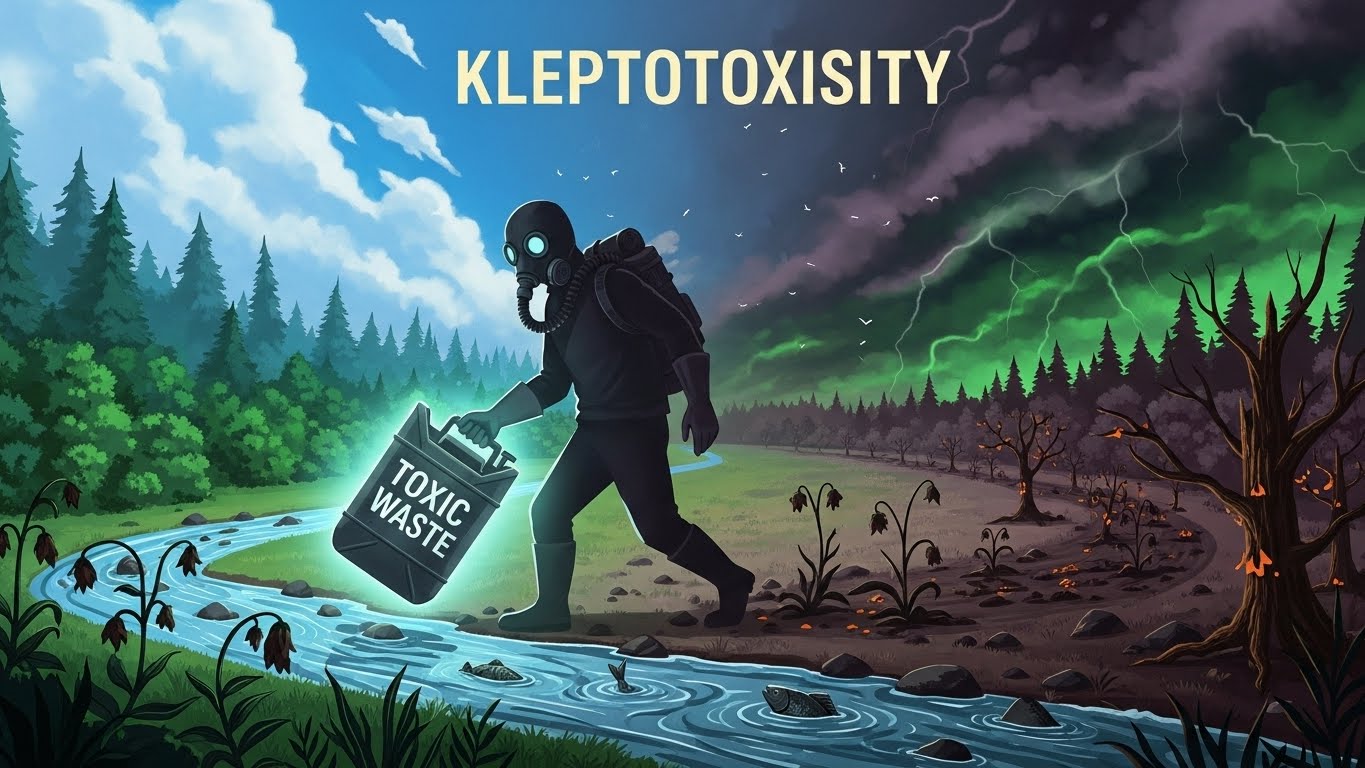
Imagine a world where the balance of nature hangs by a thread, influenced not just by climate change or habitat loss, but also by something more insidious: kleptotoxicity. This term may be new to many, yet it encapsulates an alarming phenomenon in our ecosystems—where theft doesn’t just involve physical objects but toxic substances that can devastate entire populations. The act of stealing toxic compounds from one organism and utilizing them for survival can have far-reaching effects on various species and their habitats. Understanding how this occurs is crucial for grasping the intricate dance of life within ecosystems.
As we delve deeper into the hidden dangers posed by kleptotoxicity, you’ll discover remarkable examples from nature and explore its impact on biodiversity. From vibrant coral reefs to lush rainforests, every ecosystem has its own story tied to this fascinating concept. Join us as we uncover these stories while highlighting the role humans play in perpetuating these troubling dynamics and emphasizing the urgent need for conservation efforts.
Examples of Toxic Substance Theft in Ecosystems
Toxic substance theft occurs in various ecosystems, showcasing nature’s complex interactions. One striking example is the mimicry of toxic species by non-toxic ones. The viceroy butterfly has long been known to imitate the poisonous monarch butterfly. This clever ruse allows it to evade predators seeking a toxic meal.
Coral reefs also reveal this phenomenon through cleaner wrasse fish. They provide a cleaning service for larger fish, removing parasites and dead skin. However, some opportunistic species steal these valuable substances while posing as cleaners themselves, disrupting the delicate balance.
In terrestrial systems, certain plants like *Solenostemon scutellarioides* have evolved to absorb toxins from their environment. These plants can then deter herbivores using chemicals they didn’t produce themselves.
Such examples illustrate how kleptotoxicity manifests throughout ecosystems, demonstrating both ingenuity and vulnerability within natural communities.
The Impact on the Ecosystem and Its Inhabitants
Kleptotoxicity disrupts the delicate balance of ecosystems. When species steal toxic substances from one another, it creates a ripple effect. Predators and prey alike are affected as these stolen toxins can alter behavior and survival strategies.
For instance, when a predator ingests toxic compounds meant for its prey, it may face harmful consequences. This not only impacts individual animals but also affects food webs. A decline in one species can trigger population booms or busts in others.
Moreover, many organisms rely on specific chemical defenses for survival. The theft of these compounds undermines their ability to fend off disease and predation. In this chaotic environment, resilience diminishes.
Insect communities often show altered dynamics due to kleptotoxicity as well. Some insects might gain an advantage by stealing toxins from plants or other insects, while others struggle to adapt quickly enough to survive against competitors armed with illicit chemicals.
How Humans Contribute to Kleptotoxicity
Humans play a significant role in the phenomenon of kleptotoxicity. Through pollution and industrial waste, we introduce harmful substances into ecosystems. These toxins can be stolen by various organisms, disrupting their natural defense mechanisms.
Agricultural practices also contribute to this issue. The use of pesticides and fertilizers leads to chemical runoff that seeps into soil and waterways. This creates a toxic environment for local wildlife who may unwittingly absorb these substances.
Urban development further exacerbates the problem. As habitats are destroyed, animals lose their homes and food sources, forcing them into areas contaminated with toxins from human activity.
Additionally, climate change alters ecological balances. Increased temperatures can intensify the impact of toxic substances in environments already stressed by human actions.
Through our activities, we inadvertently foster conditions where kleptotoxicity thrives, posing severe risks to biodiversity and ecosystem health.
Preventing Kleptotoxicity: Conservation Efforts and Solutions
Preventing kleptotoxicity requires a multi-faceted approach. Conservation efforts are crucial to maintaining the balance within ecosystems.
Habitat restoration plays a significant role. By revitalizing native flora and fauna, we can reduce the chances of toxic substance theft occurring in vulnerable areas.
Educating local communities is another vital step. Awareness programs can inform people about the consequences of introducing invasive species or pollutants into their environment.
Implementing stricter regulations on chemical use also contributes to prevention. Governments need to enforce guidelines that limit harmful substances in agriculture and industry.
Fostering partnerships between conservation organizations and researchers enhances our understanding of these dynamics. Collaborative efforts lead to innovative solutions tailored for specific ecosystems facing kleptotoxic threats.
The Importance of Raising Awareness
Raising awareness about kleptotoxicity is crucial for the health of our ecosystems. Many people are unaware that toxic substance theft occurs in nature and its potential consequences.
Education plays a vital role. By informing communities about how organisms like plants and animals can be affected, we foster a sense of responsibility towards nature. The more we understand, the more likely we are to act positively.
Engaging storytelling can help bring these issues to life. Documentaries, social media campaigns, or local workshops can effectively illustrate real-world examples of kleptotoxicity and its impact on biodiversity.
Collaboration with schools, environmental organizations, and policymakers amplifies this message further. Together, they can create programs that not only inform but also inspire action against harmful practices contributing to this hidden danger in our ecosystems.
Conclusion
Kleptotoxicity is a complex and often overlooked phenomenon that poses significant threats to ecosystems. As we’ve explored, toxic substance theft can disrupt natural balances in ways that are harmful to both the environment and its inhabitants. From the colorful poison dart frogs of tropical jungles to the seemingly innocuous sea slugs, examples abound where species engage in this risky behavior.
The impact on ecosystems can be profound. When one species siphons off toxins from another, it doesn’t just affect individual organisms; it ripples through food webs and alters habitats. This interconnectedness highlights how every creature plays a role in maintaining ecological stability.
Human activities amplify these risks further. Pollution, habitat destruction, and climate change all contribute to an environment where kleptotoxicity may thrive or worsen. Our actions have consequences that extend beyond immediate effects — they influence long-term ecological health.
Preventive measures are essential for mitigating kleptotoxicity’s impacts. Conservation efforts focused on preserving biodiversity help maintain healthy ecosystems capable of resisting such toxic interactions. Raising awareness about this issue is crucial as well; education empowers communities to take action against practices that exacerbate environmental toxicity.
As we delve deeper into understanding kleptotoxicity, it’s evident that addressing its implications requires collective responsibility and proactive engagement from us all.