
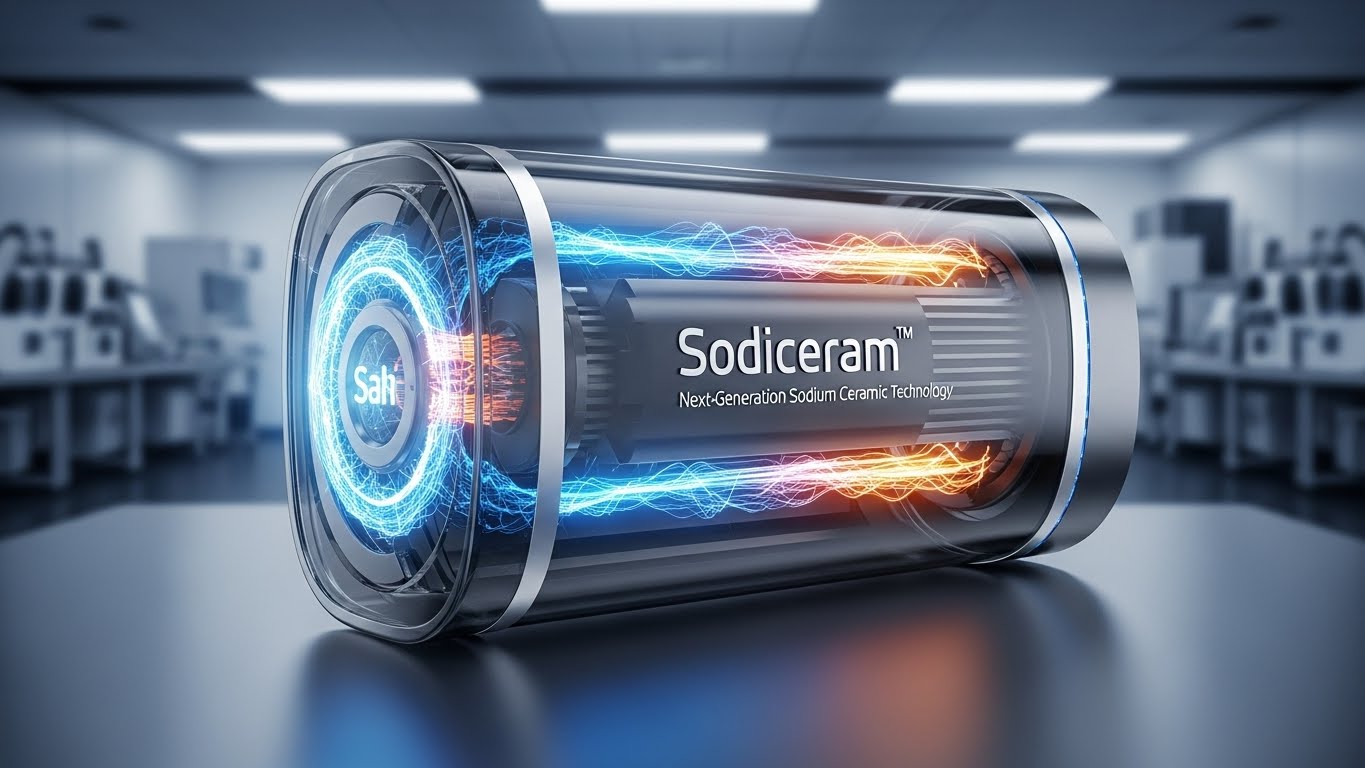
Sodiceram: Next-Generation Sodium Ceramic Technology represents a major breakthrough in advanced material science, redefining what modern ceramics can achieve across industrial, architectural, and high-performance applications. By integrating sodium-based compounds directly into the ceramic matrix, Sodiceram delivers enhanced thermal stability, mechanical durability, and chemical versatility that far surpass traditional ceramic materials. As industries increasingly demand materials that combine resilience, efficiency, and sustainability, Sodiceram has emerged as a forward-looking solution designed for the challenges of 2026 and beyond.
What Is Sodiceram?
Sodiceram is an advanced ceramic material engineered through the incorporation of sodium-infused compounds during the manufacturing process. Unlike conventional ceramics, which often focus solely on hardness or heat resistance, Sodiceram is designed to offer a balanced combination of strength, flexibility, thermal endurance, and chemical stability.
The addition of sodium into the ceramic structure alters the internal bonding, resulting in improved resistance to thermal shock, enhanced durability under extreme conditions, and greater adaptability across multiple industries. This makes Sodiceram not just a material, but a technological evolution in ceramic engineering.
The Science Behind Sodium-Infused Ceramics
At the core of Sodiceram’s innovation lies its unique ceramic matrix. Sodium ions interact with traditional ceramic compounds to modify grain boundaries and molecular structures. This modification improves the way heat, pressure, and chemical exposure are distributed throughout the material.
By optimizing these internal interactions, Sodi-ceram achieves:
-
Higher resistance to cracking under temperature fluctuations
-
Improved mechanical strength without excessive brittleness
-
Enhanced chemical compatibility for specialized environments
This scientific foundation allows Sodiceram to outperform many legacy ceramic materials in demanding applications.
Key Properties of Sodiceram Technology
Superior Thermal Stability
One of Sodiceram’s most valuable attributes is its ability to withstand extreme temperatures without degradation. This makes it ideal for environments involving rapid heating and cooling cycles, where traditional ceramics often fail.
Exceptional Durability
Sodiceram exhibits high resistance to wear, pressure, and mechanical stress. Its sodium-enhanced structure minimizes microfractures, increasing overall lifespan and reliability.
Chemical Resistance
Thanks to its unique composition, Sodi-ceram resists corrosion and chemical reactions, making it suitable for industrial, medical, and laboratory environments.
Lightweight Strength
Despite its toughness, Sodiceram remains relatively lightweight compared to metal alternatives, offering performance efficiency without unnecessary mass.
Sodiceram vs Traditional Ceramics
Traditional ceramics have long been valued for hardness and heat resistance, but they often come with limitations such as brittleness and limited adaptability. Sodi-ceram addresses these challenges directly.
| Feature | Traditional Ceramics | Sodiceram |
|---|---|---|
| Thermal Shock Resistance | Moderate | High |
| Durability | High but brittle | High and resilient |
| Chemical Stability | Limited | Advanced |
| Application Range | Narrow | Multi-industry |
This comparison highlights why Sodiceram is considered a next-generation solution rather than an incremental improvement.
Industrial Applications of Sodiceram
Manufacturing and Engineering
In heavy manufacturing, Sodiceram is used for components exposed to heat, friction, and chemical stress. Its durability reduces maintenance costs and downtime, making it a cost-effective choice for long-term operations.
Energy and Power Systems
Sodi-ceram’s thermal resilience makes it suitable for power generation systems, including renewable energy technologies that operate under fluctuating temperatures.
Electronics and Technology
The material’s stability and precision enable its use in electronic substrates, insulation components, and advanced circuitry where reliability is critical.
Sodiceram in Architecture and Interior Design
Beyond industrial use, Sodiceram is increasingly gaining attention in architecture and modern design. Its refined texture, durability, and resistance to environmental stress make it suitable for:
-
High-performance flooring
-
Heat-resistant wall panels
-
Minimalist architectural elements
-
Long-lasting exterior cladding
Designers value Sodiceram not only for its functionality but also for its clean, contemporary aesthetic.
Medical and Scientific Uses
Sodiceram’s chemical inertness and stability make it a valuable material in medical and laboratory settings. It is commonly used in:
-
Medical equipment components
-
Laboratory surfaces and instruments
-
Sterile environments requiring non-reactive materials
Its ability to maintain integrity under sterilization processes adds to its appeal in healthcare applications.
Sustainability and Environmental Benefits
As sustainability becomes a central concern in material development, Sodi-ceram offers several environmental advantages:
-
Longer lifespan reduces material waste
-
Improved efficiency lowers energy consumption during use
-
Potential compatibility with recyclable ceramic systems
These benefits align with global efforts to reduce industrial waste and promote responsible manufacturing.
Manufacturing Process of Sodiceram
The production of Sodi-ceram involves advanced sintering techniques and precise control of sodium compound integration. This process ensures uniform material properties and consistent performance across batches.
Manufacturers benefit from:
-
High production consistency
-
Customizable material properties
-
Scalable manufacturing for diverse industries
This flexibility makes Sodiceram suitable for both mass production and specialized applications.
Future Potential of Sodiceram Technology
Looking ahead, Sodiceram is expected to play a major role in emerging technologies. Research and development efforts continue to explore enhanced formulations, expanded applications, and integration with smart materials.
Potential future uses include:
-
Aerospace components
-
Advanced battery systems
-
High-efficiency thermal insulation
-
Smart architectural materials
As innovation progresses, Sodiceram’s role in shaping modern material science will only grow stronger.
Why Sodiceram Matters in 2026 and Beyond
In a world driven by performance, efficiency, and sustainability, Sodiceram answers the need for materials that do more than just endure. Its sodium-infused ceramic technology represents a shift toward smarter, more adaptable materials that support innovation across industries.
From industrial machinery to architectural design stands as a symbol of next-generation engineering, offering reliability, versatility, and forward-thinking performance.
Conclusion
Sodiceram is more than a ceramic material—it is a technological advancement that bridges the gap between traditional ceramics and future-ready solutions. By integrating sodium-based compounds into its structure delivers unmatched thermal stability, durability, and chemical resistance, making it a preferred choice across industries in 2026.
As demand for high-performance materials continues to rise, Sodiceram is positioned as a cornerstone of modern material innovation, shaping the future of ceramics with strength, intelligence, and sustainability.